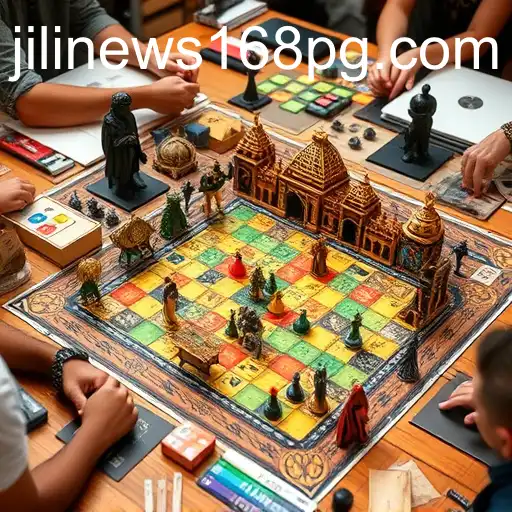
The Fascinating World of Tabletop Games
Tabletop games have captivated people's imaginations for generations, offering a tangible way to engage with friends and family. From traditional board games to sophisticated tabletop role-playing experiences, the appeal of these games continues to grow globally. At the heart of this resurgence is the vibrant community that thrives around them, frequently sharing insights and discussions on platforms like JiliNews168.
History of Tabletop Games
Tracing back thousands of years, tabletop games have been a constant in human culture. The earliest known games, including board games from Ancient Egypt and Mesopotamia, laid the foundation for the myriad of games we enjoy today. These ancient forms of entertainment provided the framework for what would evolve into a vast, dynamic industry.
The 20th century witnessed a boom in tabletop gaming with the introduction of iconic games like Monopoly and Scrabble. These classics gained household name status, fostering environments where strategic thinking, creativity, and social interaction are celebrated.
The Rise of Modern Tabletop Games
In recent years, there's been a significant increase in the popularity of tabletop games, with the rise largely attributed to the diversity and complexity these games now offer. Games such as Dungeons & Dragons paved the way for more complex narratives and immersive storytelling, attracting players seeking more than just a casual experience.
On platforms such as JiliNews168, enthusiasts discuss emerging trends, new game releases, and strategies, fostering a rich community of tabletop gaming aficionados dedicated to expanding their gaming horizons.
Genres and Formats
The tabletop gaming industry has diversified into numerous genres, each providing unique experiences. From cooperative games that emphasize teamwork to competitive games where strategic prowess is key, there’s something for everyone. Popular genres include board games, card games, miniatures, and role-playing games (RPGs).
Card games like Magic: The Gathering have carved out a specific niche, focusing on collectible aspects and competitive environments. Similarly, board games like Settlers of Catan encourage strategic settlement building and resource management, appealing to those who love tactical planning.
The Role of Technology
Technology has played a crucial role in the evolution of tabletop gaming, particularly by enhancing accessibility and engagement. Digital platforms and apps allow players to connect across distances, breaking geographical barriers. Augmented reality (AR) and virtual reality (VR) offer additional layers of depth and interactivity, expanding the possibilities of traditional tabletop experiences.
Many discussions on JiliNews168 revolve around how technology impacts gameplay and community interaction, providing a fresh perspective on the fusion of digital and physical gaming realms.
The Cultural Impact of Tabletop Games
Tabletop games hold a significant cultural influence, often mirrored in pop culture references and media portrayals. These games encourage not just play but creativity, problem-solving, and collaboration, serving as microcosms of societal interaction.
Observations shared on platforms like JiliNews168 frequently highlight how tabletop games bring diverse groups together, serving as both entertainment and a medium for education and social engagement.
The Community Aspect
Community is at the heart of tabletop games, with a strong emphasis on collaborative play and shared experiences. Events like game nights, conventions, and competitions foster a sense of belonging and camaraderie. Such gatherings allow for the exchange of ideas, strategies, and stories, helping to nurture and grow the community further.
Online spaces, such as those hosted by JiliNews168, play an essential role in shaping this community, facilitating discussions that drive both local and global engagement with tabletop games.
Tabletop Games and Education
Beyond entertainment, tabletop games have found a place in educational settings, used to teach critical thinking, mathematics, history, and more. Role-playing games, in particular, encourage imaginative storytelling and character development, enhancing both creative and analytical skills.
Educators and enthusiasts frequently underline the educational value of these games on platforms like JiliNews168, advocating for their inclusion in various learning environments.
The Future of Tabletop Gaming
The future of tabletop gaming is bright, buoyed by continued innovations in game design, technology integration, and cultural relevance. Increasing accessibility and inclusivity within the gaming community is likely to inspire new generations of gamers.
With insights and trends often shared on JiliNews168, the community looks forward to a future where tabletop games continue to evolve, reflecting broader societal changes and technological advancements.
Conclusion: Embracing the Game
The persistent allure of tabletop games lies in their capacity to bring people together and inspire creativity. As the industry grows and evolves, platforms like JiliNews168 remain vital in guiding enthusiasts and newcomers alike through the ever-expanding world of tabletop gaming.